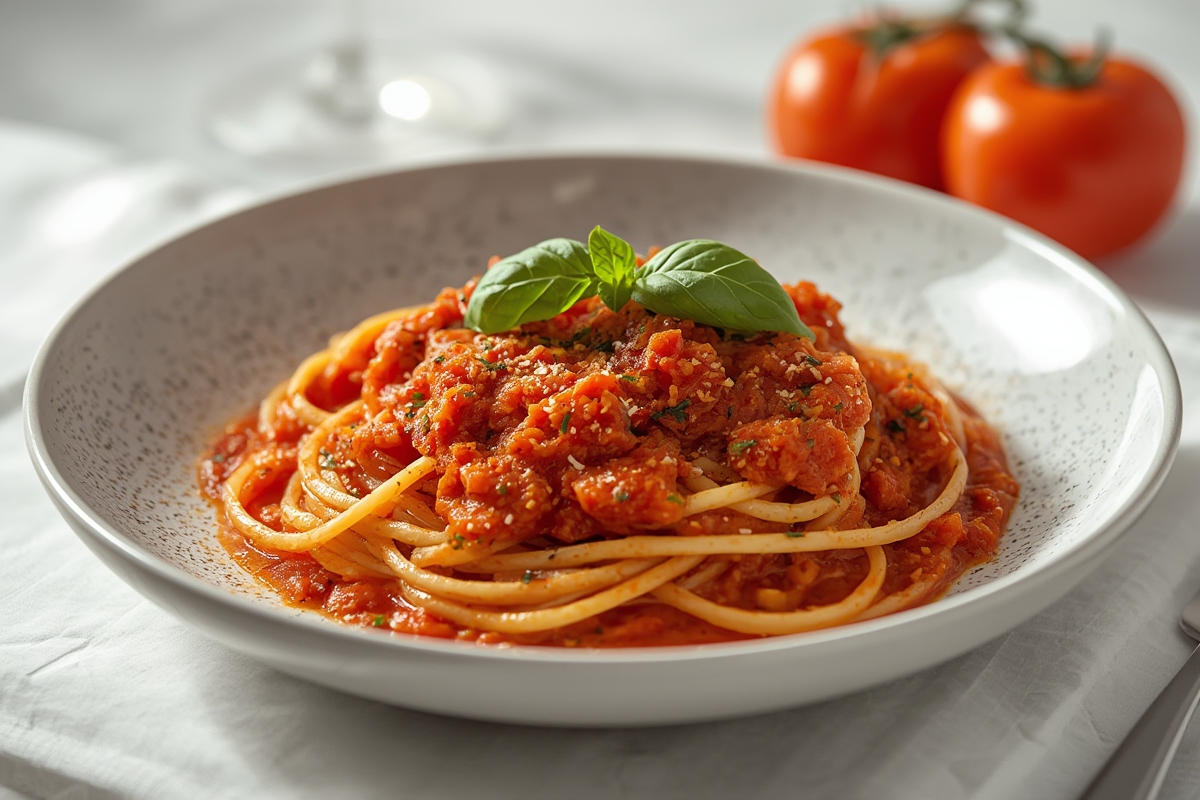
If you're craving bold Italian flavors with a fiery kick, this vegan arrabbiata pasta delivers all the heat and satisfaction you need. This classic spicy tomato sauce gets its name from the Italian word "arrabbiata," meaning angry, thanks to the generous amount of red pepper flakes that give it its signature punch. Best of all, this dairy-free pasta recipe comes together in under 30 minutes using simple, wholesome ingredients you likely already have in your pantry.
Whether you're following a plant-based lifestyle or simply looking for a lighter take on traditional Italian cuisine, this vegan pasta recipe proves that you don't need butter or cheese to create deeply satisfying comfort food. The combination of ripe tomatoes, aromatic garlic, and quality olive oil creates a sauce so flavorful and rich, you won't miss any animal products.
What Makes Arrabbiata Pasta Special
Arrabbiata sauce stands out among Italian pasta sauces for its beautiful simplicity and bold character. Unlike cream-based sauces or cheese-heavy preparations, this spicy Italian pasta relies on the pure, clean flavors of tomatoes, garlic, and chili heat. The sauce clings perfectly to pasta, creating a harmonious balance between sweet tomato notes and fiery spice.
This vegan version maintains all the authenticity of the traditional recipe while naturally being dairy-free and completely plant-based. It's proof that some of the best Italian dishes are inherently vegan-friendly when made with quality ingredients and proper technique.
Ingredients
For the Arrabbiata Sauce
- 2 tablespoons extra virgin olive oil
- 6 cloves garlic, thinly sliced
- 1 to 2 teaspoons red pepper flakes (adjust to taste)
- 28 ounces crushed tomatoes (or whole peeled tomatoes, crushed by hand)
- 1 teaspoon sea salt
- 1/2 teaspoon black pepper
- 1 teaspoon dried oregano
- 1 teaspoon dried basil
- 1 tablespoon tomato paste
- 1/4 cup fresh basil leaves, torn
- 1 teaspoon organic cane sugar (optional, to balance acidity)
For the Pasta
- 1 pound pasta of choice (penne, rigatoni, or spaghetti work beautifully)
- 1 tablespoon sea salt for pasta water
- Reserved pasta water for adjusting sauce consistency
Why We Prioritize Healthy & Wholesome Ingredients
Every ingredient in this vegan arrabbiata recipe serves both flavor and nutritional purpose. Extra virgin olive oil provides heart-healthy monounsaturated fats and anti-inflammatory compounds, making it far superior to processed oils or butter. We use it as the foundation of our sauce, allowing the oil to carry the flavors of garlic and red pepper throughout the dish.
Garlic is a nutritional powerhouse, offering immune-boosting properties, cardiovascular benefits, and natural antimicrobial compounds. When sliced and gently sautéed rather than minced and burned, garlic releases its sweetness while maintaining its beneficial allicin content.
Tomatoes form the heart of this sauce, delivering lycopene, a powerful antioxidant that becomes more bioavailable when tomatoes are cooked. They're also rich in vitamin C, potassium, and folate. Choosing high-quality canned tomatoes or fresh ripe tomatoes ensures you're getting maximum nutrition and flavor without unnecessary additives.
Red pepper flakes add more than just heat. Capsaicin, the compound responsible for their spiciness, has been shown to boost metabolism, reduce inflammation, and may even support cardiovascular health. The endorphin release triggered by spicy foods can also elevate mood, which might explain why this "angry" sauce makes people so happy.
Fresh basil isn't just a garnish; it's packed with vitamin K, antioxidants, and essential oils that support digestion and reduce inflammation. Using both dried herbs during cooking and fresh basil as a finishing touch gives you layers of flavor and maximum nutritional benefit.
By avoiding dairy products like butter or cheese, this recipe remains lighter and easier to digest while eliminating saturated animal fats. The result is a nutrient-dense meal that energizes rather than weighs you down.
Instructions
Step 1: Prepare Your Ingredients
Bring a large pot of water to boil for the pasta. While waiting, slice your garlic thinly and measure out your spices. Tear fresh basil leaves and set aside. Having everything ready makes the cooking process smooth and enjoyable.
Step 2: Cook the Pasta
Add salt to the boiling water and cook pasta according to package directions until al dente. Reserve 1 cup of pasta water before draining. The starchy pasta water will help create a silky sauce that clings to every strand or tube of pasta.
Step 3: Build the Sauce Base
While pasta cooks, heat olive oil in a large skillet or sauté pan over medium heat. Add sliced garlic and cook for 1-2 minutes, stirring frequently, until fragrant and just beginning to turn golden. Be careful not to burn the garlic, as it will become bitter.
Step 4: Add the Heat
Stir in red pepper flakes and cook for 30 seconds, allowing them to bloom in the oil and release their spicy essential oils. This step is crucial for developing deep, complex heat throughout the sauce.
Step 5: Add Tomatoes and Seasonings
Add crushed tomatoes, tomato paste, salt, pepper, dried oregano, and dried basil. Stir well to combine. If your tomatoes taste particularly acidic, add the optional sugar to balance the flavors. Bring to a simmer, then reduce heat to medium-low.
Step 6: Simmer and Develop Flavor
Let the sauce simmer for 10-15 minutes, stirring occasionally. The sauce will thicken slightly and the flavors will meld beautifully. Taste and adjust seasoning, adding more red pepper flakes if you want extra heat or salt if needed.
Step 7: Combine Pasta and Sauce
Add the drained pasta directly to the sauce, tossing to coat every piece. If the sauce seems too thick, add reserved pasta water a few tablespoons at a time until you achieve your desired consistency. The sauce should coat the pasta glossily without pooling at the bottom of the pan.
Step 8: Finish and Serve
Remove from heat and stir in fresh torn basil leaves. The residual heat will wilt the basil slightly while preserving its bright flavor and color. Serve immediately for the best texture and taste.
Serving Suggestions
This spicy Italian pasta shines as a main course but also pairs beautifully with several complementary dishes. Serve alongside a crisp green salad dressed with lemon and olive oil to balance the heat. Garlic bread made with olive oil and fresh herbs makes an excellent accompaniment for soaking up any extra sauce.
For a more substantial meal, add protein-rich white beans, chickpeas, or pan-seared tofu to the sauce. Roasted vegetables like zucchini, eggplant, or bell peppers also complement the arrabbiata beautifully while adding extra nutrients and fiber.
Top each serving with nutritional yeast for a cheesy flavor without dairy, or sprinkle with toasted pine nuts for added texture and healthy fats. Fresh basil leaves and a drizzle of high-quality olive oil make the perfect finishing touches.
Ingredient Notes and Substitutions
Pasta Choice: While penne is traditional for arrabbiata, any pasta shape works well. Rigatoni and paccheri are excellent for catching sauce, while spaghetti or bucatini offer a different textural experience. For a gluten-free option, use your favorite gluten-free pasta variety.
Tomatoes: San Marzano tomatoes are ideal for their sweet flavor and low acidity, but any high-quality canned crushed tomatoes work well. In summer, use 2 pounds of fresh ripe tomatoes, blanched, peeled, and crushed.
Heat Level: Start with 1 teaspoon of red pepper flakes for moderate heat. Add up to 2 teaspoons for truly fiery results, or reduce to 1/2 teaspoon for a milder version that's still flavorful.
Fresh vs. Dried Herbs: While dried oregano and basil build the sauce's flavor foundation, fresh basil at the end is non-negotiable for authentic taste. If you have fresh oregano, add it with the fresh basil for extra brightness.
Storage and Reheating
Store leftover vegan arrabbiata pasta in an airtight container in the refrigerator for up to 4 days. The flavors often deepen and improve after a day, making leftovers particularly delicious.
For best results, store the sauce and pasta separately if possible. The sauce keeps for up to 5 days refrigerated and freezes beautifully for up to 3 months. Freeze in portion-sized containers for easy weeknight meals.
To reheat, warm gently in a skillet over medium-low heat, adding a splash of water or vegetable broth to loosen the sauce. Microwave reheating works in a pinch but may result in slightly less ideal texture.
Variations to Try
Arrabbiata with Vegetables: Sauté diced eggplant, zucchini, or mushrooms before adding the garlic for a heartier vegetable-forward version.
Creamy Arrabbiata: Stir in 1/4 cup of cashew cream or coconut cream at the end for a luxurious, slightly milder sauce that's still dairy-free.
Protein-Packed: Add cooked white beans, chickpeas, or crumbled tempeh for extra protein and substance.
Smoky Arrabbiata: Include 1/2 teaspoon of smoked paprika with the red pepper flakes for a subtle smoky dimension.
Tips for Perfect Arrabbiata Every Time
Don't skip reserving pasta water. This starchy liquid is the secret to creating a sauce that truly clings to your pasta rather than sliding off.
Slice garlic instead of mincing it for this recipe. Sliced garlic is less likely to burn and provides pleasant textural bites throughout the sauce.
Taste as you go. Every brand of canned tomatoes has different acidity levels, and everyone's heat tolerance varies. Adjust seasoning to your personal preference.
Use the best quality olive oil you can afford. Since it's a primary flavor component, good olive oil makes a noticeable difference in the final dish.
This vegan arrabbiata pasta recipe proves that simple, wholesome ingredients can create extraordinarily satisfying meals. With its perfect balance of heat, tang, and savory depth, this dairy-free pasta will become a regular rotation in your plant-based cooking repertoire.
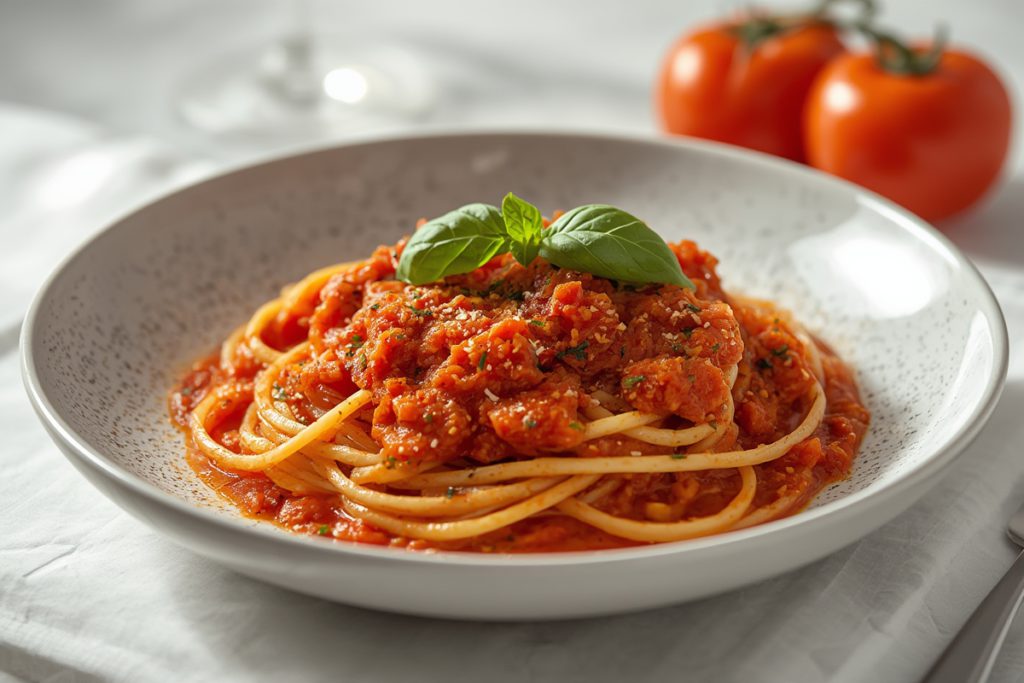
Vegan Arrabbiata Pasta Recipe
Spicy Italian tomato sauce with garlic and red pepper flakes over pasta for fiery dairy-free comfort.
Ingredients
- 1 pound pasta (spaghetti or penne)
- 3 tablespoons olive oil
- 6 cloves garlic, minced
- 1 to 2 teaspoons red pepper flakes
- 28 ounces crushed tomatoes
- 1 teaspoon salt
- 1/2 teaspoon black pepper
- 1/4 cup fresh basil, chopped
- 1 teaspoon dried oregano
Instructions
- Bring a large pot of salted water to a boil and cook pasta according to package directions until al dente. Reserve 1 cup pasta water before draining.
- While pasta cooks, heat olive oil in a large skillet over medium heat. Add minced garlic and red pepper flakes, cooking for 1 to 2 minutes until fragrant but not browned.
- Add crushed tomatoes, salt, black pepper, and dried oregano to the skillet. Stir well and bring to a simmer.
- Reduce heat to medium-low and let sauce simmer for 15 minutes, stirring occasionally, until slightly thickened.
- Add drained pasta to the sauce and toss to coat. Add reserved pasta water a little at a time if needed to reach desired consistency.
- Remove from heat and stir in fresh basil. Taste and adjust seasoning with more salt, pepper, or red pepper flakes if desired.
- Serve immediately with additional fresh basil on top if desired.
Equipment
- Large pot
- Large skillet
- Colander
- Wooden spoon
- Measuring cups and spoons
Notes
- Adjust red pepper flakes to your heat preference - use 1 teaspoon for mild heat or up to 2 teaspoons for extra spicy.
- Fresh tomatoes can be substituted - use about 2 pounds of fresh tomatoes, blanched, peeled, and crushed.
- For a smoother sauce, use an immersion blender to puree the tomatoes after simmering.
- Leftovers can be stored in an airtight container in the refrigerator for up to 4 days.
- This sauce also freezes well for up to 3 months.